
Emergency Dentist in Perth: What to Do in a Dental Emergency

A dental emergency doesn’t follow a schedule. Whether it’s a knocked-out tooth or a throbbing abscess that wakes you, knowing what to do in the first few minutes can determine whether a tooth is saved — or lost.
Dental emergencies can happen without warning. This guide explains the most common situations, what you can do straight away, and how to get urgent dental care in Perth.
What Counts as a Dental Emergency?
Not every dental problem needs same-day attention. These do:
Knocked-out tooth
A fully dislodged permanent tooth is one of the few situations where minutes genuinely matter. The longer the tooth is out of the socket, the lower the chance of successful reimplantation.
Cracked or broken tooth
A minor chip that isn’t causing pain can usually wait for a regular appointment. A crack that extends below the gumline, causes sharp pain on biting, or has exposed the nerve needs prompt assessment.
Severe toothache
Mild sensitivity is one thing. Throbbing, constant pain — especially pain that wakes you at night or radiates to the jaw or ear — indicates something that needs treatment, not pain relief.
Dental abscess
A bacterial infection affecting a tooth or the surrounding tissues. Swelling, a visible pimple on the gum, fever, or a foul taste in the mouth are warning signs. An abscess doesn’t resolve without treatment and can spread rapidly.
Lost filling or crown
Not always an emergency, but if the exposed tooth is causing significant pain or sensitivity, getting it covered sooner rather than later prevents further damage.
Soft tissue injury
Lacerations to the gums, tongue, cheeks, or lips that won’t stop bleeding, or that are deep enough to require suturing, need attention — from a dentist or an emergency department depending on severity.
What to Do With a Knocked-Out Tooth
Act immediately. The window for successful reimplantation is narrow — ideally within 30 minutes, though up to an hour is sometimes possible with proper handling.
- Pick the tooth up by the crown — the white part — never the root
- If it’s dirty, rinse gently with milk or saline. Don’t scrub it
- If possible, place it back into the socket and hold it there while you get to the dentist
- If reimplanting isn’t possible, keep it moist — in milk, saline, or between the cheek and gum. Don’t store it in water
- Call the practice immediately and let them know you’re on your way
Children’s baby teeth are not reimplanted — call the practice for guidance on next steps.
Dental Abscess — Why It Can’t Wait
It is a pocket of infection that forms around a tooth or in the nearby gums. It’s important not to ignore it because the infection can spread to the jaw or neck and, in rare but serious cases, affect the airway. This progression can happen faster than most people expect.
Signs of a dental abscess include:
- Persistent, throbbing toothache
- Swelling of the face, cheek, or jaw
- Sensitivity to hot and cold
- Fever or feeling generally unwell
- A small, pimple-like bump on the gum that may leak fluid with a salty or unpleasant taste.
- Difficulty swallowing or opening the mouth fully
If swelling is making it hard to swallow or breathe, don’t wait for a dental appointment. Go straight to the nearest emergency department, as this is a medical emergency.
For everything short of that, call a dentist as soon as possible. Antibiotics can control the infection but won’t eliminate its source. Dental treatment is still necessary.
How to Manage Pain Before You Get There
Pain management before your appointment is about comfort, not treatment. It doesn’t address the underlying problem.
- Over-the-counter pain relief — ibuprofen is generally more effective than paracetamol for dental pain due to its anti-inflammatory action. Take as directed. Don’t place aspirin directly on the gum — it causes tissue damage.
- Cold compress — applied to the outside of the cheek in 20-minute intervals, reduces swelling and dulls pain.
- Avoid temperature extremes — hot and cold food and drinks typically worsen pain if the nerve is exposed or inflamed.
- Clove oil — applied sparingly to the affected area with a cotton ball, provides temporary topical relief and is available at most pharmacies.
These measures buy time. They don’t fix the problem.
What Not to Do in a Dental Emergency
Some common responses to dental emergencies make the situation worse. Avoid these:
Don’t ignore it and hope it improves.
Dental infections don’t resolve on their own. A toothache that settles temporarily often means the nerve has died — not that the problem is gone.
Don’t put aspirin directly on the tooth or gum.
A common home remedy that causes chemical burns to the surrounding soft tissue. Take pain relief orally as directed instead.
Don’t scrub a knocked-out tooth.
The periodontal ligament fibres attached to the root are essential for successful reimplantation. Scrubbing removes them. Rinse gently with milk or saline only.
Don’t store a knocked-out tooth in water.
Water causes rapid cell death on the root surface. Milk, saline, or keeping it between the cheek and gum maintains viability until you reach the dentist.
Don’t use super glue to reattach a crown or veneer
Never use super glue in your mouth. It can damage the tooth and restoration, complicating professional repair. A dental cement from the pharmacy is a temporary alternative until you can be seen.
Don’t wait until Monday if it happens on a Friday.
Many practices offer emergency appointments or have after-hours contact information on their voicemail. Call and find out — a weekend wait can turn a manageable problem into a significantly worse one.
Frequently Asked Questions
What should I do if I can’t reach a dentist immediately?
For severe swelling affecting swallowing or breathing, go to an emergency department. For manageable pain, use over-the-counter pain relief, apply a cold compress, and avoid temperature extremes until you can be seen. Most practices have an after-hours message with emergency contact information.
Can a broken tooth wait until the next day?
It depends on the break. A minor chip without pain can usually wait until a regular appointment. A break that has exposed the nerve, caused sharp pain on biting, or is accompanied by swelling should be assessed as soon as possible — call the practice and describe the situation so they can advise on urgency.
How do I know if I have a dental abscess?
The most common signs are a throbbing toothache, swelling in the face or jaw, fever, and a foul taste or smell from the mouth. A visible pimple-like bump on the gum is another indicator. Contact your Leederville dentist promptly — don’t wait to see if it resolves on its own.
Will I need to pay more for emergency dental treatment?
Emergency appointments may attract a higher fee than routine consultations, but this varies by practice. Call ahead to ask — most practices are upfront about costs before the appointment. Medicare’s Child Dental Benefits Schedule covers some emergency treatment for eligible children.
What if my child has a dental emergency?
For a knocked-out baby tooth, don’t attempt to reimplant it — call the practice for guidance. For a broken, painful, or infected tooth in a child, treat it with the same urgency as you would an adult emergency. Children’s dental pain needs prompt attention and shouldn’t be managed with pain relief alone.
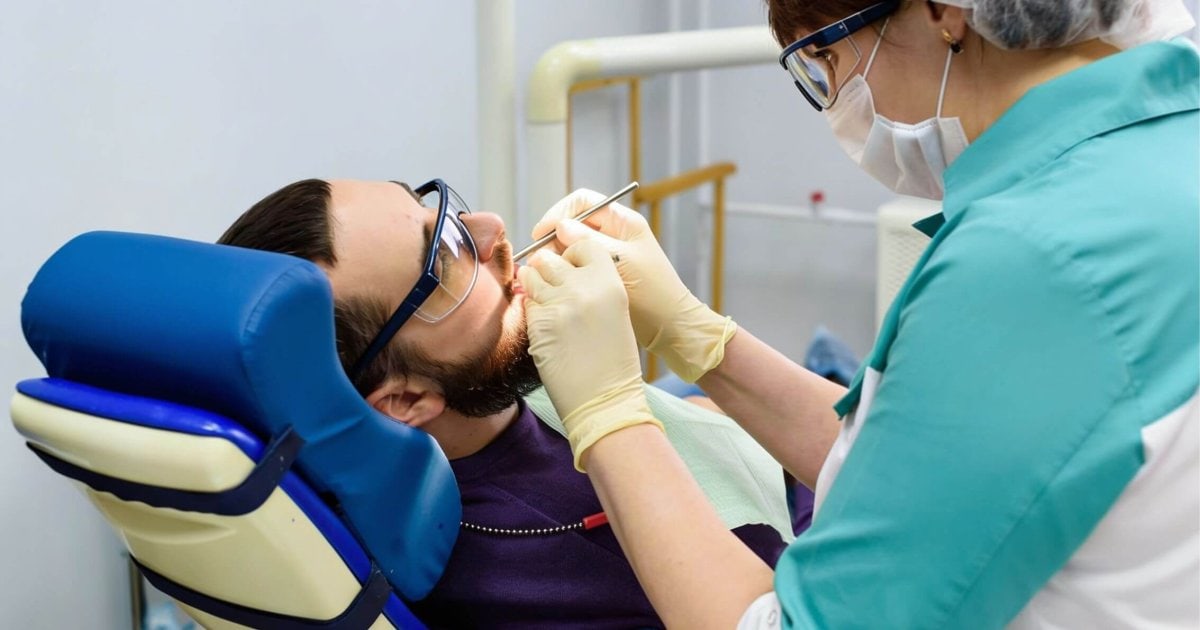
Emergency Dental Care in Leederville
Dentists on Vincent Leederville sees patients with dental emergencies in Leederville and across Perth — including West Perth, North Perth, Mount Hawthorn, and Subiaco.
If you’re experiencing a dental emergency, call ahead rather than walking in — this allows the team to prepare for your situation and minimise wait time. For a knocked-out tooth or severe abscess, let the receptionist know when you call so your case can be prioritised.
Call us on (08) 9242 4400 or book online.
Visit us at 322 Vincent Street, Leederville.

Book Your Consultation Today!
- We accept Eftpos, Mastercard, Visa Card, HICAPS and All Major Health Funds.
Contact Info
Dentists on Vincent Leederville
Address: 322 Vincent St, Leederville, WA 6007
Phone: (08) 9242 4400
Opening Hours
Mon: Closed
Tue: 9:30 AM – 5:30 PM
Wed: 9:30 AM – 6:30 PM
Thu: 9:30 AM – 5:30 PM
Fri: 9:00 AM – 3:30 PM
Sat: 8:30 AM – 12:30 PM (by appointment)
Sun: Closed
PARKING/PUBLIC TRANSPORT
There is ample car parking across the road from the practice
There are cafes and eateries within walking distance
LOCATION
Dentists on Vincent is located in Leederville, 14 min from Northbridge and only short stroll from Leederville Oval and Water Corporation
Leederville dentist also serving local communities in West Leederville, Northbridge, North Perth, Wembley, Floreat, Mount Hawthorn, Subiaco, Menora, Coolbinia and Jolimont.