
Plaque vs Tartar: The Difference and Why It Matters
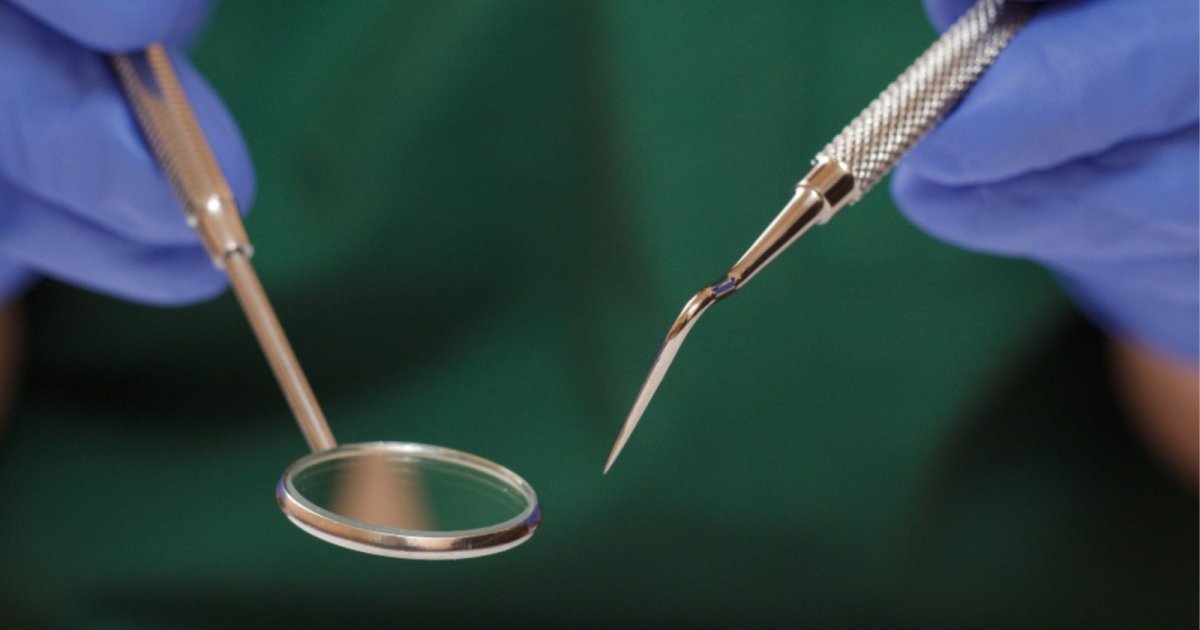
Plaque vs tartar is a comparison that matters more than it might seem, since the two require completely different approaches to deal with. One can be managed at home with a toothbrush; the other generally can’t. This guide covers what each one actually is, how tartar forms from plaque, and what that means for how you look after your teeth day to day and at the dentist.
What Plaque Actually Is
Dental plaque is a bacterial film that continually builds up on the teeth. Bacteria in plaque can use dietary sugars and carbohydrates to produce acids, contributing to tooth decay and gum inflammation. While plaque builds up all the time, it’s still soft at this stage so that it can be removed effectively with regular brushing and flossing.
What Tartar (Calculus) Is
When plaque is not removed regularly, minerals from saliva can build up within it, causing the plaque to harden into tartar, also known as calculus. Once hardened, tartar bonds to the tooth surface in a way that brushing and flossing can no longer remove. It’s usually visible as a yellow or brownish deposit, often most noticeable along the gumline and behind the lower front teeth, where saliva naturally concentrates.
Plaque vs Tartar: Key Differences
| Plaque | Tartar | |
|---|---|---|
| Texture | Soft and sticky | Hard and firmly attached |
| Visibility | Often colourless or pale, hard to see | Yellow to brown, generally visible |
| Formation time | Within hours | Within a day or two, once plaque hardens |
| Removal | Brushing and flossing at home | Professional scaling required |
Why the Difference Matters
Once tartar has formed, its rough surface makes it easier for new plaque to stick, which can accelerate further tartar buildup if it isn’t professionally removed. This creates a cycle in which the problem tends to compound rather than remain the same size. Tartar is also more than a cosmetic concern: because it can’t be brushed away, it continues to sit against the tooth and gum, which is part of why untreated tartar is linked to a higher risk of gum disease over time.
Tartar Below the Gumline
Tartar that forms below the gumline, sometimes called subgingival calculus, is harder to see than tartar on the visible part of the tooth, since it’s hidden beneath the gum tissue. It’s also more directly connected to gum health, since it sits right where the gum attaches to the tooth.
This type of tartar is generally identified during a dental exam rather than noticed by the patient, and its removal, sometimes involving a more thorough clean than a standard scale, is an important part of managing or preventing gum disease.
Tartar Buildup: Common Causes
Some tartar buildup happens to almost everyone over time, but a few factors can make it form faster or more heavily:
- Inconsistent brushing and flossing, giving plaque more time to harden.
- Brushing technique that misses certain areas consistently, particularly along the gumline and between teeth.
- Natural variation in saliva composition, since some patients’ saliva promotes faster mineralisation of plaque than others.
- Smoking, which is associated with increased tartar buildup.
- Certain medical conditions or medicines that reduce saliva flow, since saliva plays a role in washing away plaque before it hardens.
Plaque Removal at Home
Because plaque is still soft, consistent home care is genuinely effective at managing it before it has a chance to harden:
- Brush with fluoride toothpaste twice daily, taking care to clean along the gumline where plaque can accumulate.
- Use floss or another interdental cleaner daily to remove plaque from between the teeth.
- Consider mouthwash as an additional step alongside regular brushing and interdental cleaning, rather than as a substitute for either.
- Limit frequent snacking on sugary or starchy foods, which gives plaque-forming bacteria less to work with.
How to Remove Tartar
Once plaque has hardened into tartar, home care alone can’t remove it, regardless of how thoroughly you brush. Attempting to scrape tartar off with a metal pick or similar tool purchased online isn’t recommended, as it can damage enamel or irritate the gums without necessarily addressing the underlying issue. Professional removal, using specialised instruments designed to safely lift tartar from the tooth surface without damaging it, is the reliable method for both above and below the gumline.
Scale and Clean
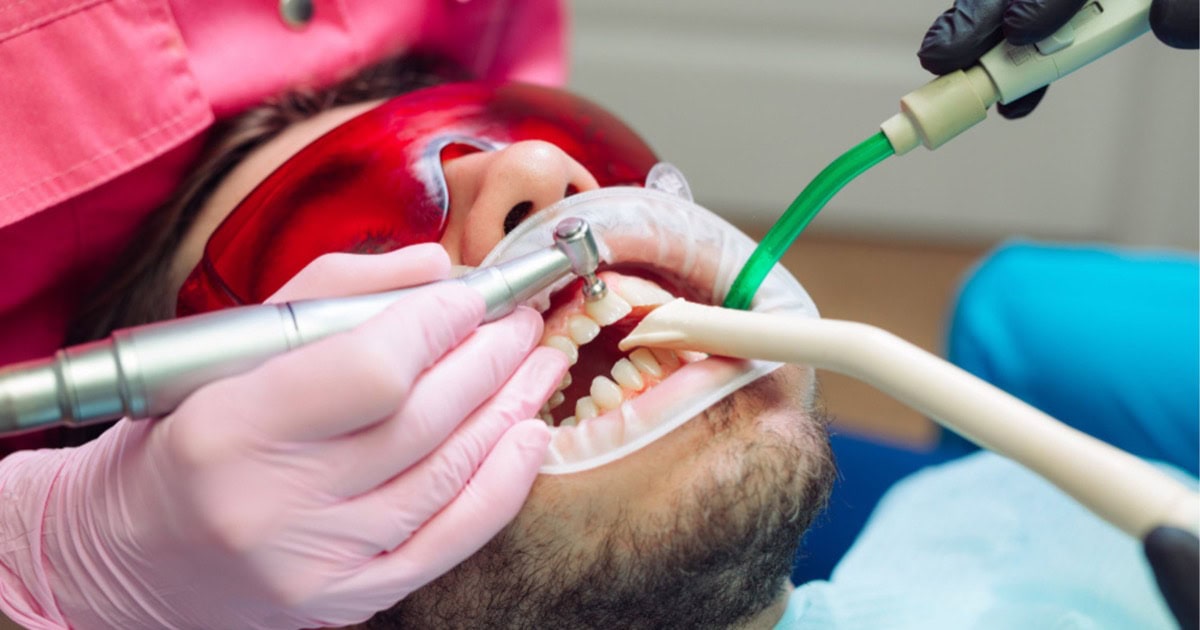
Professional scale and clean can remove plaque and tartar from areas that are difficult to reach with routine brushing and interdental cleaning, using ultrasonic or hand instruments where appropriate. Many patients are advised to have this done roughly every six months, though this varies depending on how quickly tartar tends to build up for that individual and their overall gum health; some patients are advised on a different schedule based on their specific needs.
A scale and clean may also be accompanied by an assessment of the gums, allowing your dentist to spot early indicators of gum disease or other issues related to oral health.
FAQ
Does everyone get tartar buildup eventually?
Most patients develop some tartar over time, even with reasonably good home care, since it’s difficult to remove every trace of plaque before it hardens. This is part of why professional scaling and cleanings are recommended periodically for most patients.
Can tartar cause bad breath?
Yes, tartar buildup is a common contributor to persistent bad breath, as it provides a rough surface for bacteria to accumulate.
Is having tartar removed uncomfortable?
Some patients notice mild sensitivity during or after a scale and clean, particularly if there’s a significant amount of tartar being removed or if the gums are already irritated. Your dentist can discuss what to expect based on your specific situation.
Can I remove tartar myself at home?
This isn’t recommended. Tartar is firmly bonded to the tooth, and attempting to remove it with tools not designed for the purpose can damage the enamel or irritate the gum tissue. Professional removal is the safe and reliable approach.
How often should I get a scale and clean?
This varies between patients, though roughly every six months is common guidance. Your dentist can advise on a schedule suited to how quickly tartar tends to build up for you and your overall gum health.
Why does tartar look yellow or brown?
The colour comes from minerals, food, and other substances that are incorporated into the tartar as it hardens, including staining from coffee, tea, or tobacco use.
Book a Scale and Clean in Leederville
If it’s been a while since your last clean, or you’ve noticed visible buildup, it’s worth booking a scale and clean to have it properly assessed and removed.
At Dentists on Vincent Leederville, we see patients across Perth — including West Perth, North Perth, Mount Hawthorn, and Subiaco.
Call us on (08) 9242 4400 or book online. Visit us at 322 Vincent St, Leederville WA 6007.
Any surgical or invasive procedure carries risks. Before proceeding, consider seeking a second opinion from an appropriately qualified health practitioner.
Book Your Consultation Today!
- We accept Eftpos, Mastercard, Visa Card, HICAPS and All Major Health Funds.
Contact Info
Dentists on Vincent Leederville
Address: 322 Vincent St, Leederville, WA 6007
Phone: (08) 9242 4400
Opening Hours
Mon: Closed
Tue: 9:30 AM – 5:30 PM
Wed: 9:30 AM – 6:30 PM
Thu: 9:30 AM – 5:30 PM
Fri: 9:00 AM – 3:30 PM
Sat: 8:30 AM – 12:30 PM (by appointment)
Sun: Closed
PARKING/PUBLIC TRANSPORT
There is ample car parking across the road from the practice
There are cafes and eateries within walking distance
LOCATION
Dentists on Vincent is located in Leederville, 14 min from Northbridge and only short stroll from Leederville Oval and Water Corporation
Leederville dentist also serving local communities in West Leederville, Northbridge, North Perth, Wembley, Floreat, Mount Hawthorn, Subiaco, Menora, Coolbinia and Jolimont.